

A lot of people wonder what a career as a Service Dog trainer entails, and what the day-to-day responsibilities might look like. In this article I will give an overview of what my daily tasks have included for this role in three different organizations (this article is based on dogs living in a kennel facility during training though some organizations have dogs live with the trainer at least part-time).
Trainers often take part in the general care of all dogs in the morning, then shift to their assigned dogs for training sessions and any public training outings, followed by filling out training records for each dog, any special care needed by their assigned dogs (medical, grooming), communications with clients matched to their prior dogs, and the dinner routine for the dogs. There are often other support staff helping with the general care, exercise, grooming, kennel cleaning, meals and the last out before bedtime.
Morning Routine
This typically includes:
- Letting the dogs out to bathroom
- Cleaning any bathroom accidents (or a daily kennel hosing/mopping regardless)
- Feeding the dogs breakfast
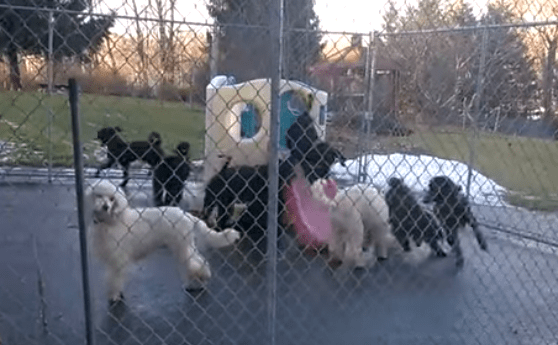
The dogs then typically start cycling in outdoor play sessions separated into specific compatible groups. Larger organizations have designated kennel staff for some or all of these roles, and in smaller organizations the trainer/s take on more or all of these roles.
Trainers are assigned a ‘string’ of dogs which they are responsible for training until placed in their working role. Depending on the organization this might be 4-12 dogs or so, though around 6-8 is most common. The dogs are generally young adults, either raised by a puppy program and taught basics and having received a lot of socialization already, or they are recent recruits from shelters having passed initial temperament and health screening. Generally a trainer works with dogs in a 3-4 month cycle, receiving new dogs and working through the same stages of training together. Depending on the organization the trainer might also be responsible for grooming and any other care needs of each of their dogs, or there may be other support staff for those roles.
Public Training Outings
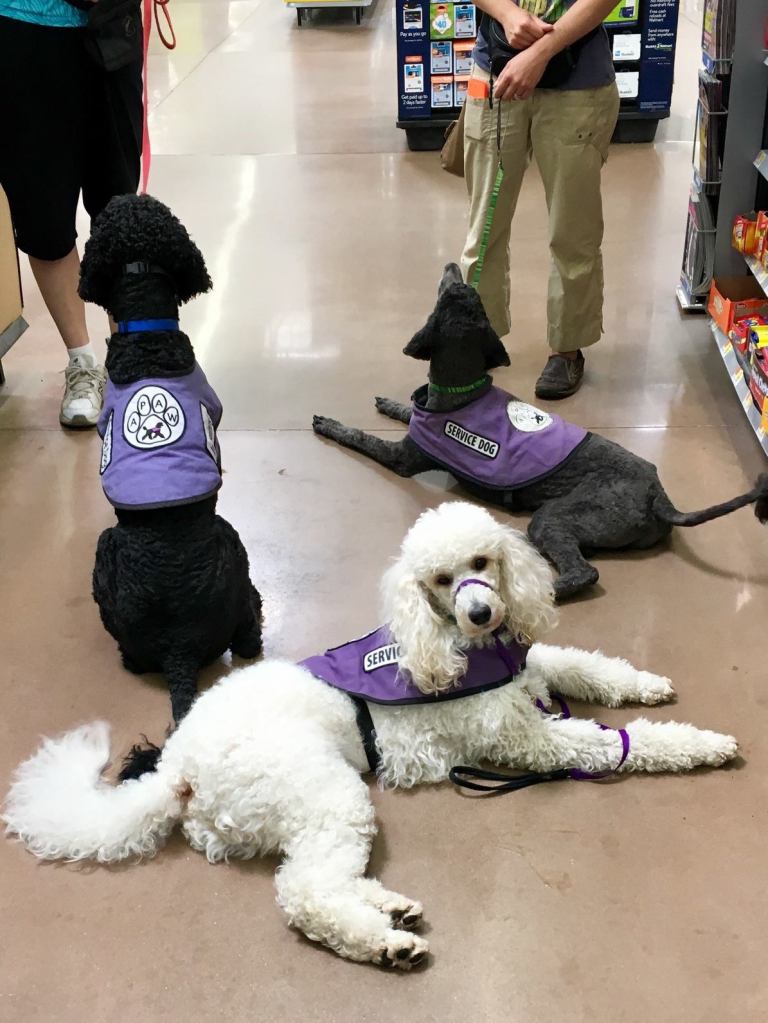
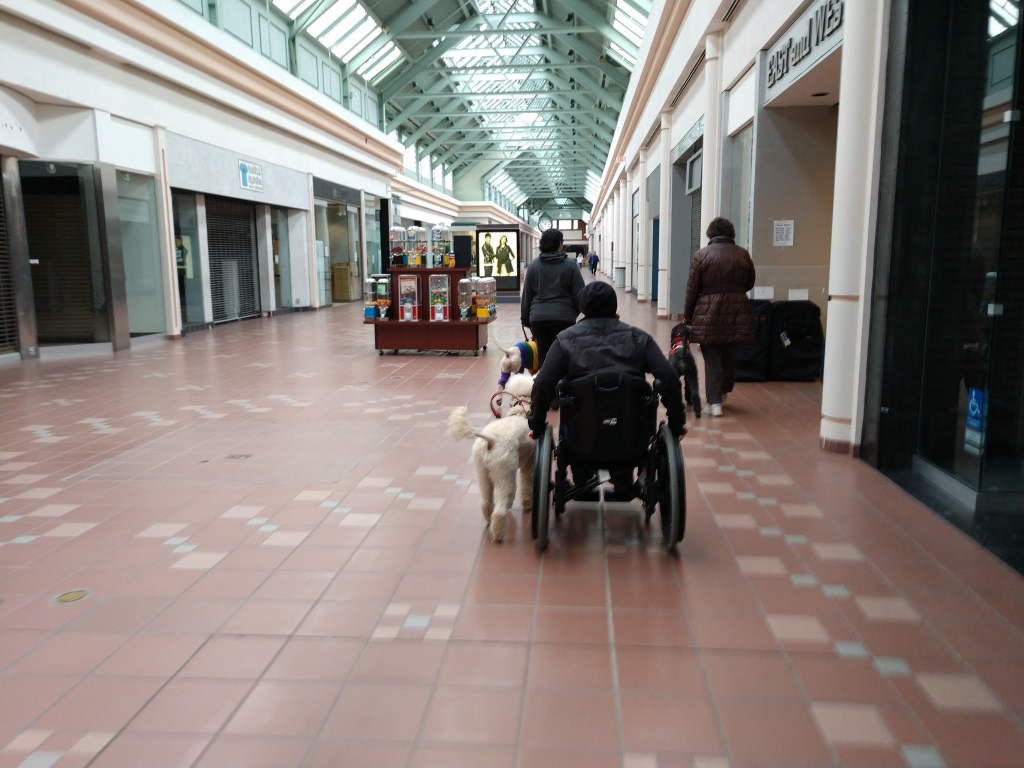
Many trainers like to do training ‘field-trips’ in the late morning, taking one or more of their dogs to a public location for training practice or proofing in challenging environments. Locations often include malls, department stores, supermarkets, bus or train stations, busy parks, and even just navigating busy city roads around construction sites and traffic.
Trainers practice skills like:
- Social manners and confidence, ignoring prey, focusing on handler, etc
- Basic obedience (sit, down, wait, heel, car manners, etc)
- Advanced obedience (long stays, off-leash skills, working through distractions, etc)
- Tasks at whatever level the dog knows them (retrieves, tugging, pushing buttons, bracing, pulling a wheelchair, etc)
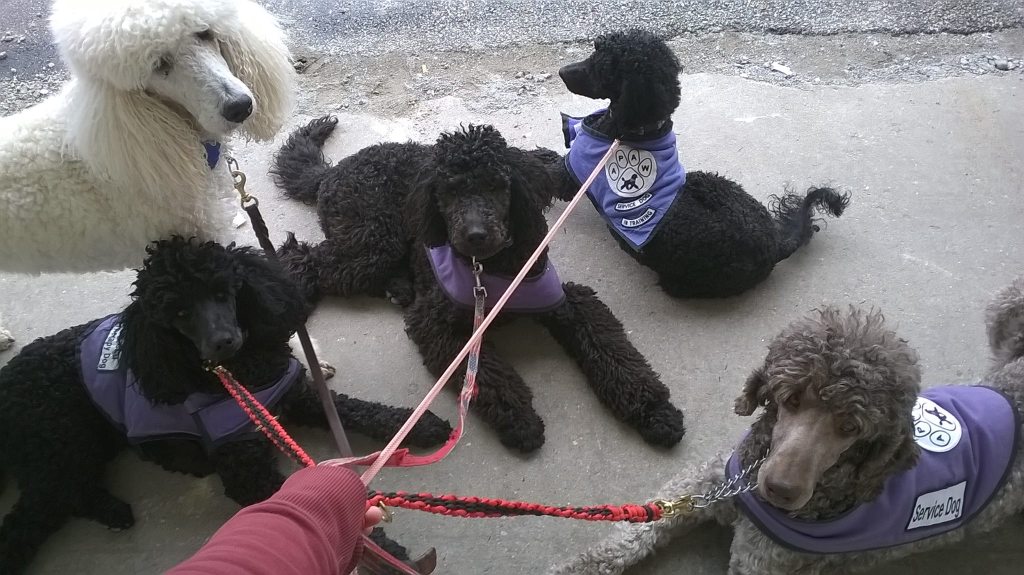
Depending on the location and level of training of each dog, a trainer may be able to handle multiple dogs at once (generally only 2-3 dogs if going inside a public building, but could be more if training outdoors). In these situations the dogs all walk politely next to the trainer through the environment, with the trainer pausing and putting the group on a down-stay while releasing each dog for short individual training sessions.
Lunch Break
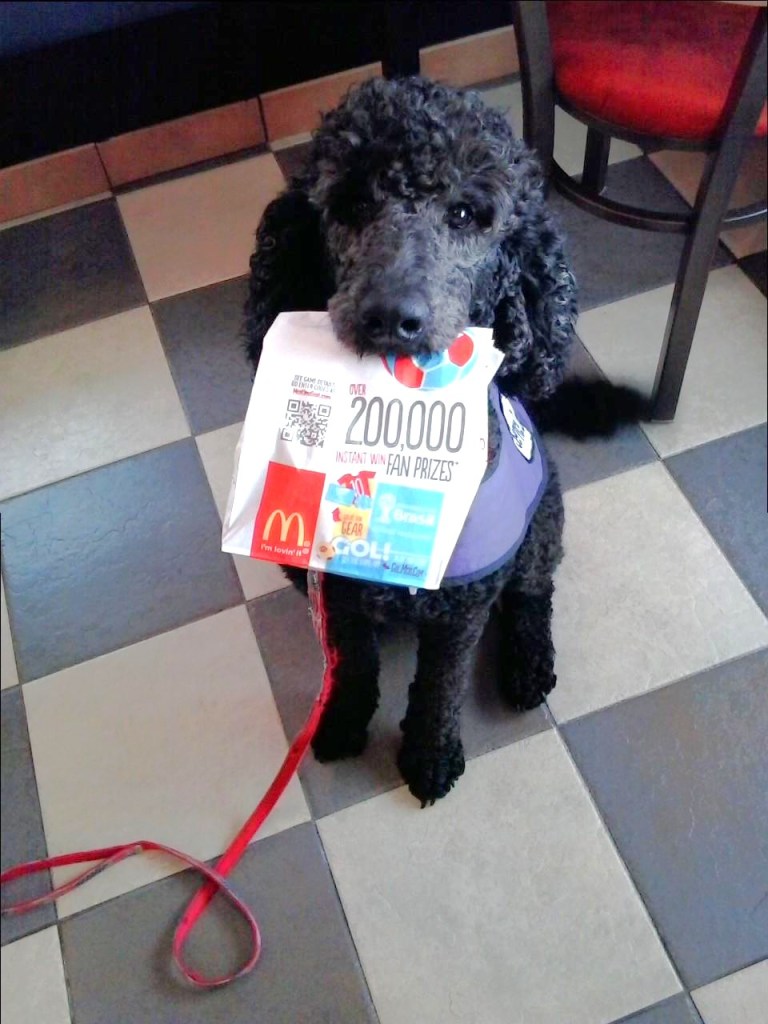
Sometimes trainers have one or more of their dogs practice holding a long down-stay under the table or nearby while the trainer eats. Trainers need to occasionally eat in a restaurant setting with each dog to verify there are no problem behaviors to resolve before placement.
Afternoon Routine
After lunch trainers generally focus on task training and whatever obedience or other skills each of their dogs need to work on to progress towards readiness to be placed with a client. This training is generally done “on campus”, in a training room equipped for teaching the many tasks a dog needs to master before placement, or wherever is best for the trainer to work on other needed skills. Again the trainer may have multiple dogs with them practicing a long down-stay while they work individual dogs on the skills they want to focus on that day/for that dog.
Individual Training Sessions
A trainer working with a string of dogs early in their training is likely to collect each dog individually from the kennel and give the dog their full focus throughout – taking the dog out to potty on cue, then into the training room or low-distraction environment to work. They may start with a massage or play session if they are still establishing a bond with the dog, then shift into basic obedience run-throughs and foundation skills for tasks. They may let the dog play on their own, practice waiting in a crate, or learn to hold a down-stay while the trainer fills out the record for the day’s training session and jots down any notes to be sure to practice certain situations (such as holding a stay while tennis balls are rolling around, getting more comfortable wearing their vest, or a note that the dog seems ready for the next level of a skill). After training the dog is given another opportunity to potty on-cue, then returned to their kennel or play group.
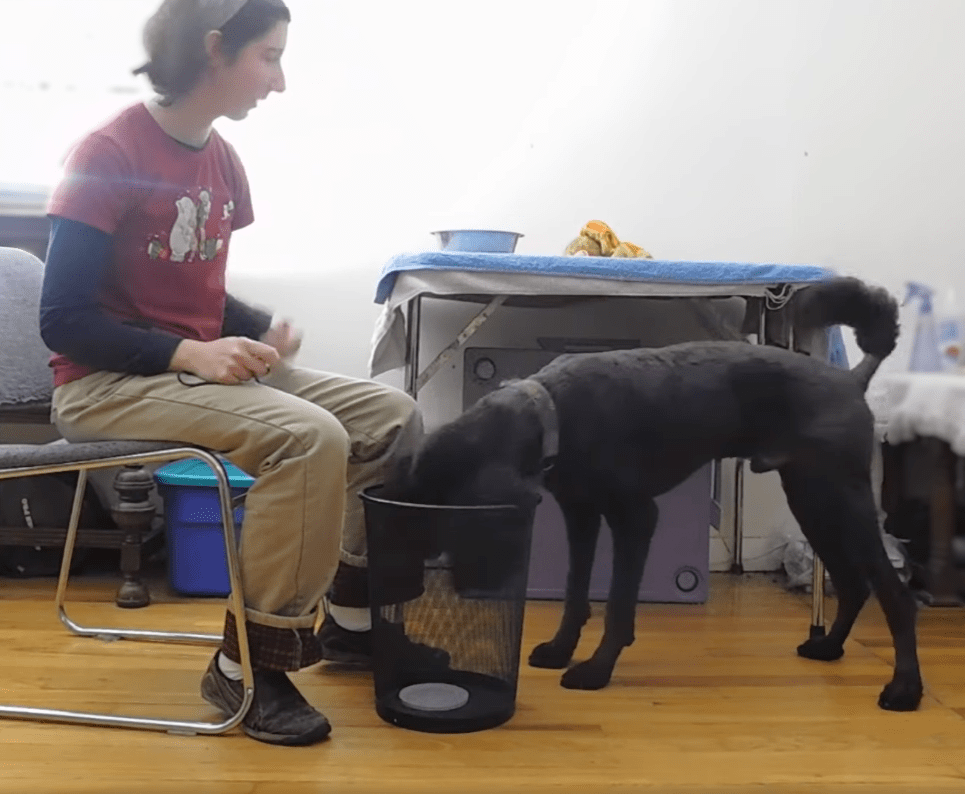
A trainer who is about half-way through training their string of dogs might collect multiple dogs at once, take them to potty on cue, then head to the training room and place the dogs on down-stays – sometimes clustered in a group, other times spread around the room. Then they’ll work on skills like keeping a loose-leash at the trainer’s side while navigating obstacles (including the other dogs), and practice their tasks around the room with whatever level of assistance they may still need. The trainer will swap out dogs giving each the level of assistance needed to help the dog be successful yet always working towards perfecting each skill. They may do some group exercises to practice skills like recalls, name recognition, sending dogs to specific targets (a dog bed, a crate, under the desk, etc).
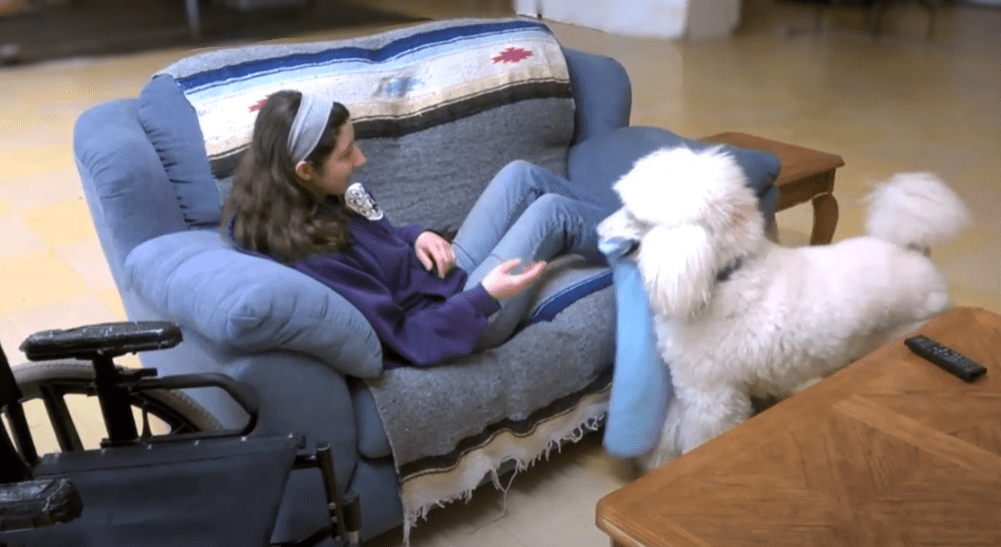
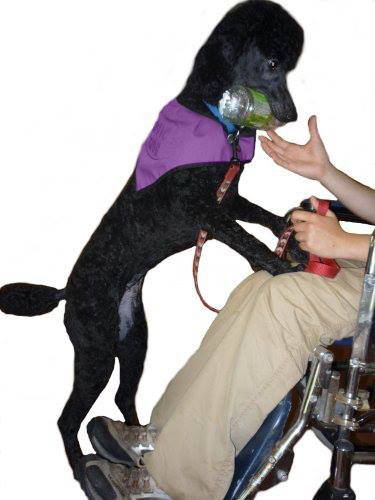
By the final stages of training the trainer is really just proofing each dog’s skills and working on custom tasks for the client they’ve matched the dog to, in preparation for placement. The dogs are generally worked individually again, often from a wheelchair or with whatever medical aids or restrictions the dog’s future partner has. The dog essentially performs all tasks through-out the campus as in a real-life scenario rather than as a training session, with the trainer polishing tasks and adding challenges for the dog to problem-solve. Example challenges include poorly positioning themselves or the dog, clumsily dropping things or bumping into the dog, using the wrong cues but giving some level of gesture for the dog to figure out the desired response, etc. This prepares the dog to ‘fill in the gaps’ while their new partner learns how to work with the dog. There are usually still occasional treats but mostly the dog works for praise.
Records!
Trainers keep many records for every dog on their string. Daily training records, field-trip records, incident reports (for example if a dog ever growls or alert-barks at anything, hurts anyone even by accident, or if a dog shows fear or anxiety); there are also health records, weight tracking, grooming tracking – whatever details might need to be coordinated between multiple caregivers or be assessed as a whole to determine if the dog is ultimately suitable for a working role. These training records in particular are a huge aid to the training process and making sure every dog meets all training criteria, but are also a necessary component for proof of proper training should anything be called into question in court or otherwise (this is true for all dogs trained by someone other than their owner, especially dogs in any type of working role). Records are also needed for assistance dog organizations to qualify for accreditation through Assistance Dogs International, which is a coalition of assistance dog programs around the world which assures all member programs are providing quality dogs to their clients.

A Note on Tasks
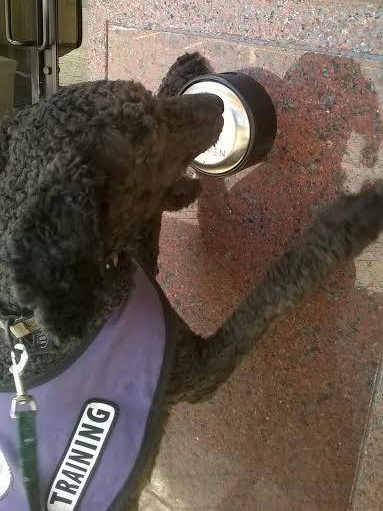
Many programs teach all of their dogs a significant list of tasks even though the dog may ultimately be matched to a person who doesn’t need them all. This makes teaching custom tasks easier once the dog is matched, because they all have the same baseline. Common tasks for programs to teach all dogs include retrieving dropped items, retrieving specific items by name from around 5-10′ away, carrying an item in their mouth for a short distance, pushing door and elevator buttons, tugging a rope to open doors and drawers, closing doors and drawers with their nose or paw, turning on/off light switches, deep or light pressure therapy on the lap/being where their partner can reach to pet them, and a minimal amount of bracing to assist a fallen partner.
Other Roles not Performed Daily
Trainers have other responsibilities too, which vary by organization but at a general minimum will also include:
- Temperament assessments for new dog recruits from shelters or breeders/homes
- Training assessments for dogs being puppy-raised, determining when they are mature enough to start advanced training
- Matching dogs to the best partner, and then training the team together after finalizing the dog’s custom training (for some organizations this includes traveling and staying local to the client for the training period)
- Follow-up support for clients as needed
- Re-certification of teams, approximately every 2 years
- Experienced trainers are also generally responsible for teaching new trainers joining their organization, usually in the form of an apprenticeship where the new trainer works with a string of shelter dogs to develop their basic obedience and task-training skills and solve mild behavior problems
If you’d like to become a Service Dog Trainer…
Dog training as a whole is a largely unregulated industry, and in all areas including service dog training there are many trainers and programs that are unskilled and/or unethical. If you don’t plan to relocate, assess the programs that are located in your area and determine if they are programs you would be interested in working for; as a general rule, a larger program will be better to learn from as they are likely more established with clear roles for each employee. Smaller programs may have less stable funding, employees may need to cover multiple roles, and you’ll really need to assess if the trainer/s have the skills you want to learn from. When evaluating if a program is one you want to become involved with, speak with their clients to know how they feel – a program might look great when going for a tour and meeting the employees, but that doesn’t always translate to high-quality standards or to providing client support.
Look programs up through Assistance Dogs International – many of these are larger programs with employment opportunities. Enrolling in a training internship and/or becoming an apprentice trainer at an established program is the best option for ultimately being hired by them.
To learn the most about the industry and to build solid training skills with scientifically-backed methods, check out Bergin College of Canine Studies in northern California. This is the college I went to for most of my service dog industry education (I had also completed a 6 week internship at a large program local to my home, and had volunteered long-term as a training assistant).


 APAW - Poodle Pups for Working Roles
Leave a reply to generouslyad47801177 Cancel reply